Top 5 Cultural Shocks When Coming to Addis Ababa
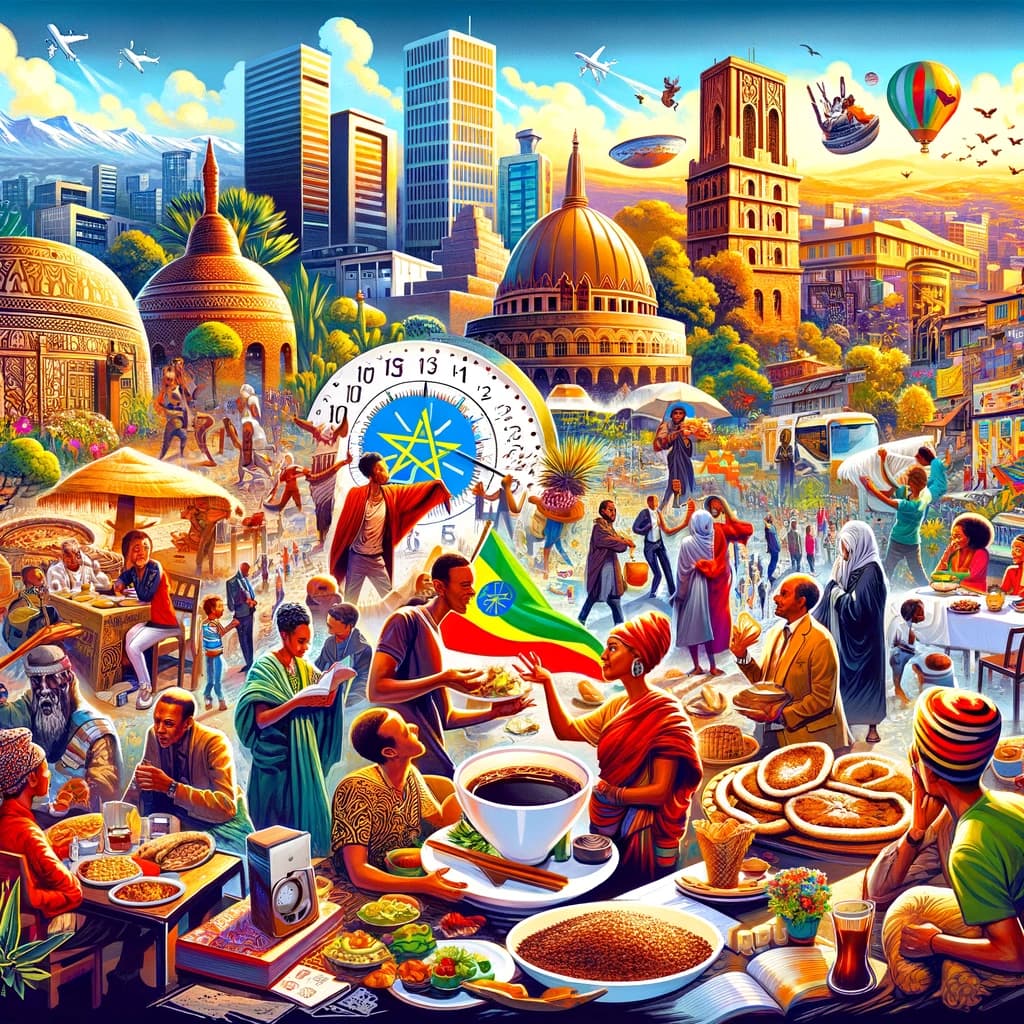
Addis Ababa, the pulsating heart of Ethiopia, is a city where ancient traditions seamlessly blend with the rush of modern life. For newcomers, especially those from vastly different cultural backgrounds, Addis Ababa presents a fascinating array of experiences that can be both exhilarating and bewildering. Here are the top 5 cultural shocks that expatriates and visitors might encounter when they first come to Addis Ababa.
1. The Ethiopian Calendar and Timekeeping
A Unique Concept of Time
One of the first surprises for many foreigners is the Ethiopian calendar, which is about seven to eight years behind the Gregorian calendar used by most of the Western world. Moreover, Ethiopia follows a 12-hour clock system that starts at dawn (6:00 AM) and resets at dusk (6:00 PM). This means what is 7:00 AM in the international timekeeping system is 1:00 in the morning Ethiopian time. Adjusting to this unique concept of time can be a delightful challenge for newcomers.
2. Injera and Traditional Eating Habits
A Communal Dining Experience
Injera, a sourdough flatbread that is a staple of Ethiopian cuisine, is typically served with a variety of spicy stews and salads. Eating from a shared platter using one's hands rather than utensils is common, emphasizing the communal aspect of dining. This way of eating, which fosters a sense of community and sharing, can be a cultural shock for those accustomed to individual plates and cutlery.
3. Coffee Ceremony
An Integral Social Ritual
The Ethiopian coffee ceremony is an elaborate ritual that is a significant part of the country’s cultural heritage. It involves roasting green coffee beans, grinding them, and then brewing the coffee in a traditional clay pot known as a 'jebena'. The ceremony is not just about drinking coffee but is considered an opportunity for socialization and expressing friendship. The time and care taken in this ceremony can be a surprising contrast to the fast coffee culture elsewhere.
4. Religious Observances and Fasting
Deeply Rooted Traditions
Ethiopia is a country with deep religious roots, predominantly Orthodox Christian, followed by Islam and other faiths. The observation of religious practices, particularly fasting, which is observed strictly by many, especially during Lent, can be unexpected for newcomers. During fasting periods, it is customary to abstain from eating meat and dairy products, and many restaurants adapt their menus to accommodate this.
5. The Concept of 'Ethiopian Time'
Flexibility in Scheduling
The laid-back approach to time, often referred to as 'Ethiopian time,' can be both endearing and frustrating for expatriates. Appointments and schedules are treated with a degree of flexibility uncommon in more time-conscious cultures. This relaxed attitude towards time reflects a broader cultural emphasis on relationships and experiences over strict adherence to schedules.
Embracing the Differences
Encountering these cultural shocks can be a profound learning experience, offering insights into the rich tapestry of Ethiopian life. Visitors and expatriates who embrace these differences often find themselves deeply enriched by the experience, gaining a greater appreciation for the country's unique traditions and way of life. Addis Ababa, with its blend of old and new, traditional and modern, provides a fascinating backdrop for exploring and understanding these cultural nuances.